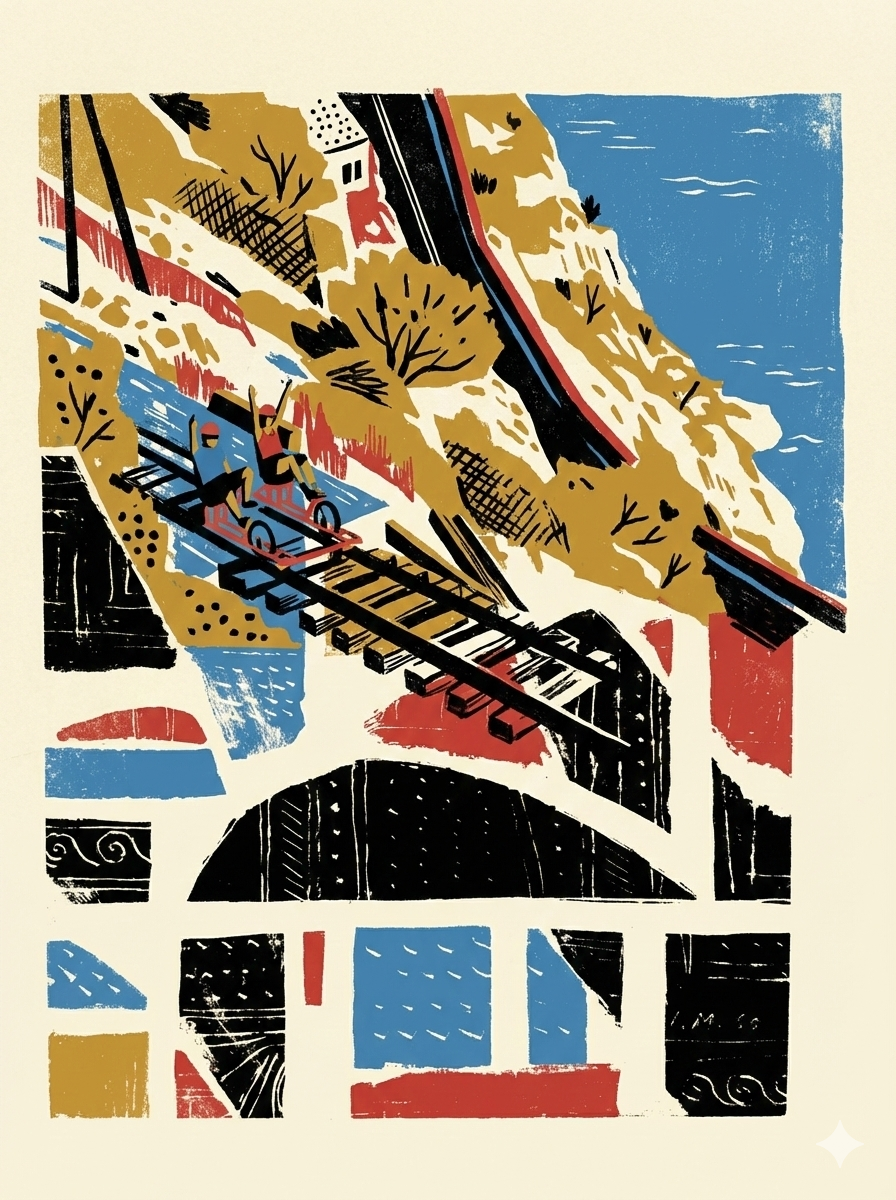
While Athens is celebrated for its ancient marvels and bustling urban life, a truly unique and pioneering adventure awaits just 45 kilometers to the west. Far from the well-trodden paths of the Acropolis, a visionary project has reclaimed a piece of Greece’s industrial past and repurposed it for a new generation of explorers. This project is railbiking in Megara, an activity that transforms a forgotten railway line into a unique vantage point from which to experience the landscape, history, and culture of the region. It is an innovative fusion of physical activity and cultural immersion, offering a fresh perspective on a country rich in heritage.
This initiative is the only railbiking track of its kind in Greece and represents a monumental effort to breathe new life into an abandoned network. The project’s realization was a long time in the making, taking 15 years to come to fruition, which speaks volumes about the dedication and foresight of its founders. The activity is more than just a guided tour; it is a profound act of cultural reclamation and historical preservation, turning a decaying piece of infrastructure into a vibrant destination for eco-conscious and adventurous travelers.
From Industrial Artery to Recreational Trail: The Historical Tapestry
The modern Greek railway network has a rich and complex history, with its origins stretching back to the late 19th century. The first major line, a 9-kilometer track connecting Piraeus with Athens, was inaugurated in 1869 after years of planning and construction. The development of this network was a strategic endeavor, driven by the government’s recognition of the need to address communication and transportation issues in a nation with a sparse road network and an economy largely dependent on agriculture. Early political leaders, such as Prime Minister Alexandros Koumoundouros, saw the railway as a means to position Greece as a pivotal travel hub between Europe, India, and Asia. His successor, Charilaos Trikoupis, furthered this vision by proposing an extensive network for the Peloponnese and Thessaly regions.
The railway line in Megara, which today hosts the railbiking tour, was a critical component of this historical network, serving as a vital artery that connected Athens with the Peloponnese peninsula. Its abandonment was not due to a lack of utility but rather to technological progress; a new, more modern railway was constructed nearby to accommodate contemporary trains, leaving the old line to fade into disuse and decay.1 This historical trajectory—from a bustling commercial link to a derelict relic—provides the perfect backdrop for the current railbiking project.
This modern re-purposing of the railway track has a powerful historical parallel that elevates the entire experience. The Megara railbiking project can be seen as a modern continuation of a long-standing Greek tradition of innovative transportation. An ancient example of this is the Diolkos, a limestone-paved track in Corinth dating back to 600 B.C., used to drag ships from the Corinthian Gulf to the Saronic Gulf. Just as the Diolkos ingeniously solved a logistical problem by repurposing a land route for naval transport, the Megara project is solving a modern challenge by revitalizing a forgotten track for a new mode of recreational travel.5 This connection grounds the project in a multi-millennial legacy of human ingenuity and logistic problem-solving, making the act of cycling on the old rails not just a simple bike ride but a journey through the very fabric of Greek history.
The physical state of the abandoned railway station further underscores the importance of this revitalization effort. The Megara station, a classic example of clean-cut, neoclassical architecture, ceased operations in 2005, causing the entire surrounding area to become inactive and deserted. An academic study proposed a multi-faceted regeneration plan for the 13,000 m² site, suggesting the creation of a linear park, an archaeological park, a museum, and a themed restaurant within the old train wagons. This academic vision provides a crucial backdrop, demonstrating that the railbiking project is a tangible, successful component of a much broader, ongoing effort to revitalize Megara’s cultural heritage.6
The Megara Railbiking Experience: A Sensory Exploration
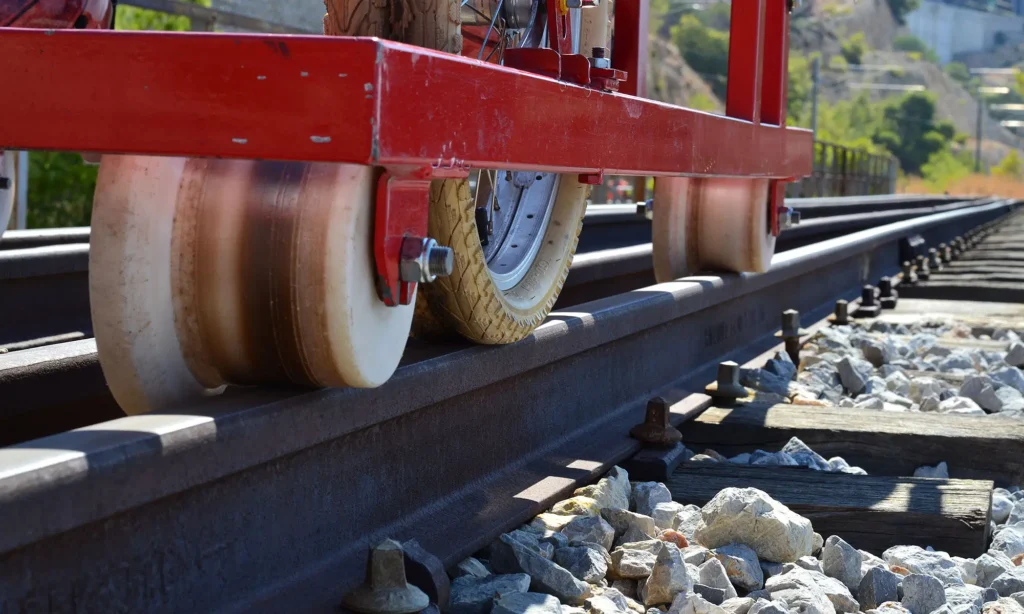
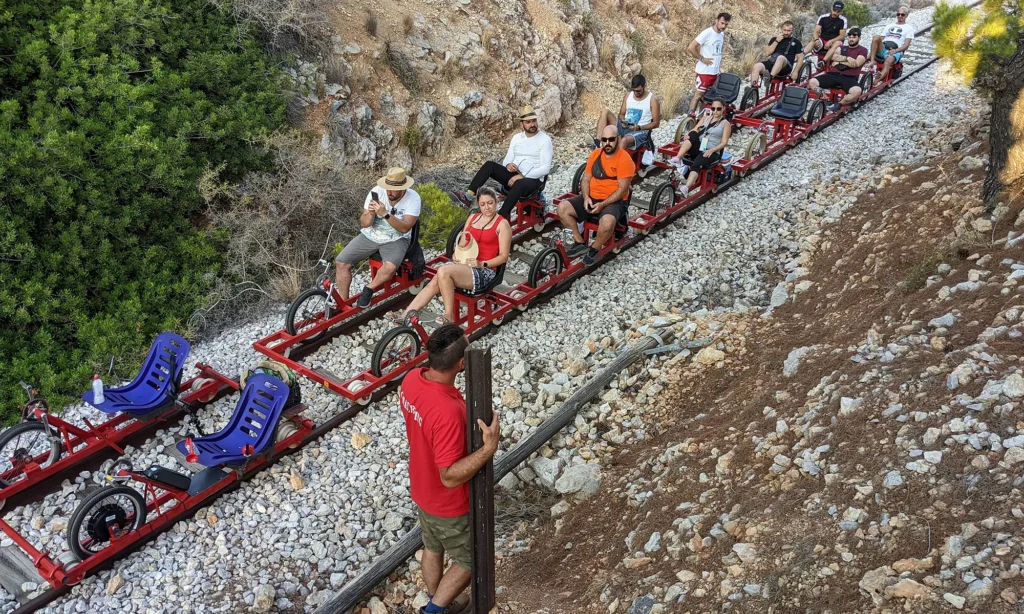
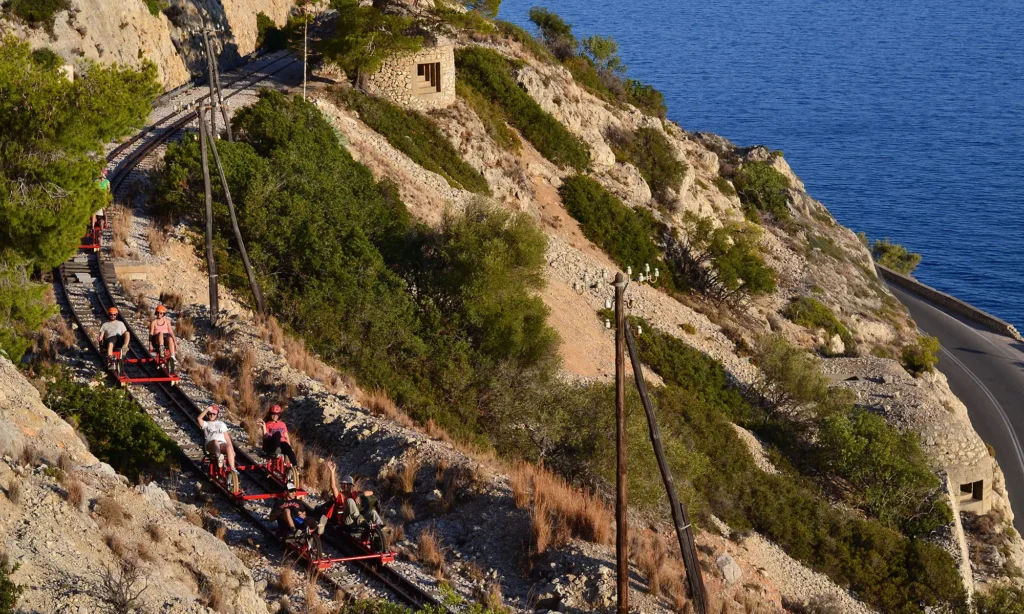
The railbiking tour is meticulously designed to be an accessible and enjoyable journey for a wide range of participants. The tour spans a total distance of 14 to 16 kilometers, with riders covering 7 to 8 kilometers one way and returning on the same route. The entire experience lasts between 2.5 and 3 hours, offering ample time for a relaxed and unhurried pace. The difficulty level is described as “easy” and “leisurely,” suitable for most fitness levels. The initial segment of the journey does involve a slight uphill, but the bikes are designed for two people, which makes the pedaling effort minimal and the ride comfortable for all participants. Safety is a paramount concern, with the bikes being well-maintained and equipped with brakes and seatbelts, and the tracks undergoing regular inspections to ensure their good condition. A note of caution is extended to those with an extreme fear of heights, as the route traverses a wooden bridge and runs along a cliffside that offers a view into a gorge.
The scenic route itself is a highlight of the experience. As riders pedal, they are treated to a stunning panorama of Megara’s natural landscape, including historic landmarks, unique flora, and epic mountains. The track follows the “steep coastal area of Kakia Skala,” offering breathtaking views above the sea. The journey includes several stops along the way, providing opportunities for rest, photos, and a chance to fully absorb the surrounding beauty.
What elevates this tour beyond a simple recreational activity is the unique role of the experienced guides. They do not merely lead the way; they act as living storytellers, infusing the physical journey with layers of historical and cultural significance. As the group pedals along, the guide shares intriguing stories about the local history, the railway’s past, and even local mythological tales. This deliberate fusion of physical activity with narrative content transforms the tour into a layered, multi-sensory experience. The company’s marketing and positive reviews consistently highlight this value-added component, with customers praising the guides by name, such as “Art” and “Nathanael”. The tour’s success is not just about the novelty of the railbikes or the scenic beauty, but is critically dependent on the human element—the guides’ expertise and storytelling ability that turns an outdoor excursion into a powerful and memorable form of experiential education. The true product is not the ride itself, but the rich, historical narrative woven into the journey.
Beyond the Rails: The Broader Impact of a Vision
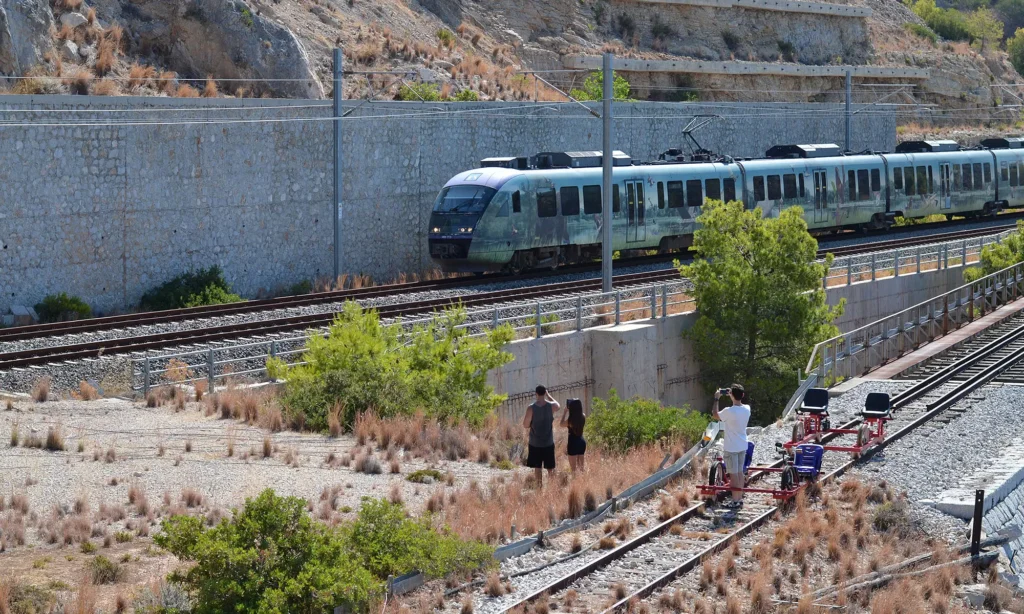
The Megara railbiking project is a compelling model for sustainable heritage preservation. By reactivating a derelict railway line, the initiative prevents its further decay and gives it a new, sustainable purpose. The founder, Artemios Filatov, articulates this vision, stating that the project can “give life to the railway” and preserve the “stories of people who worked and traveled on it”. This approach transforms a forgotten piece of infrastructure into a vibrant part of the local cultural landscape.
This initiative is also a local expression of a global movement. Similar railbiking projects exist in various parts of the world, such as along the Skunk Train line in California and in the vast open spaces of Patagonia. The existence of these parallel ventures demonstrates that the Megara project is not an isolated phenomenon but is part of a growing, worldwide trend in sustainable and experiential tourism. By pioneering this activity in Greece, the founders are at the forefront of a niche movement, positioning the nation as a sophisticated and forward-thinking destination for travelers seeking original experiences.
Economically, the project serves as a catalyst for local tourism and economic development. Its proximity to Athens makes it a perfect half-day trip, attracting a new demographic of visitors who are looking for unique outdoor activities. The project’s increasing popularity, particularly during peak season, highlights a growing market for eco-friendly outdoor adventures. The success of this model—which combines heritage preservation, ecotourism, and local engagement—could serve as a blueprint for repurposing other inactive historical sites across Greece. This provides a tangible, successful example of how cultural heritage can be a driver of a new, sustainable, experience-based tourism economy, offering a scalable model for broader economic and cultural revitalization.
Practical Guide for the Traveler
For those considering this unique adventure, a few practical details can help ensure a smooth and enjoyable experience. The tour is a guided group activity that can accommodate 10 to 20 people, and private tours can also be arranged. The bikes are designed for two riders, making the experience collaborative and fun. Prices for the day and sunset tours start at €30 per person, with special night tours for the more adventurous costing €40 or €50. Given its rising popularity, booking in advance is highly recommended, especially during peak tourist season, to secure a spot.
To get to the starting point in Megara, travelers have several public transport options from Athens, each with its own advantages. The most convenient is often the bus.
Table: Getting to Megara: A Traveler’s Guide
| Option | Departure Point (Athens) | Travel Time | Cost | Convenience |
| Bus (KTEL) | Thission Metro Station 2 | 1 to 1.5 hours | ~$10 (return) | Drops off right outside the starting point, near Byzas Stadium 1 |
| Train | Athens Railway Station 1 | ~40 minutes | ~$6 (return) | Megara station is 3 km from the starting point, requiring a 40-minute walk or a taxi ride (~$6 per cab) 1 |
Travelers are advised to bring a few essential items to ensure a comfortable journey: comfortable sports clothing appropriate for the weather, snacks, and at least 1 liter of cool water or an isotonic drink per rider. Sunblock and sunglasses are also recommended.1
Table: The Megara Railbiking Tour: At a Glance
| Feature | Details |
| Distance | 14-16 km round trip |
| Duration | 2.5 to 3 hours |
| Difficulty | Easy, leisurely |
| Group Size | 10-20 people (guided) |
| Price | From $30 per person |
Conclusion: A Blueprint for the Future of Greek Tourism
The Megara railbiking project stands as a powerful testament to the potential of creative and sustainable tourism in Greece. It is an innovative and multifaceted experience that successfully revitalizes a piece of forgotten physical infrastructure and transforms it into a vibrant cultural destination.1 By combining light exercise, breathtaking natural beauty, and a rich historical narrative, the project offers an experience that goes far beyond a typical sightseeing tour.
This initiative is a pioneering model for the future of Greek tourism. It demonstrates how local vision, coupled with a deep respect for cultural heritage and a commitment to sustainability, can transform derelict sites into unique and unforgettable destinations. The project serves as a compelling blueprint for how Greece can continue to diversify its tourism offerings, moving beyond its well-established historical and natural attractions to create new, experience-based economies that honor the past while looking toward a more sustainable future.
Leave a Reply