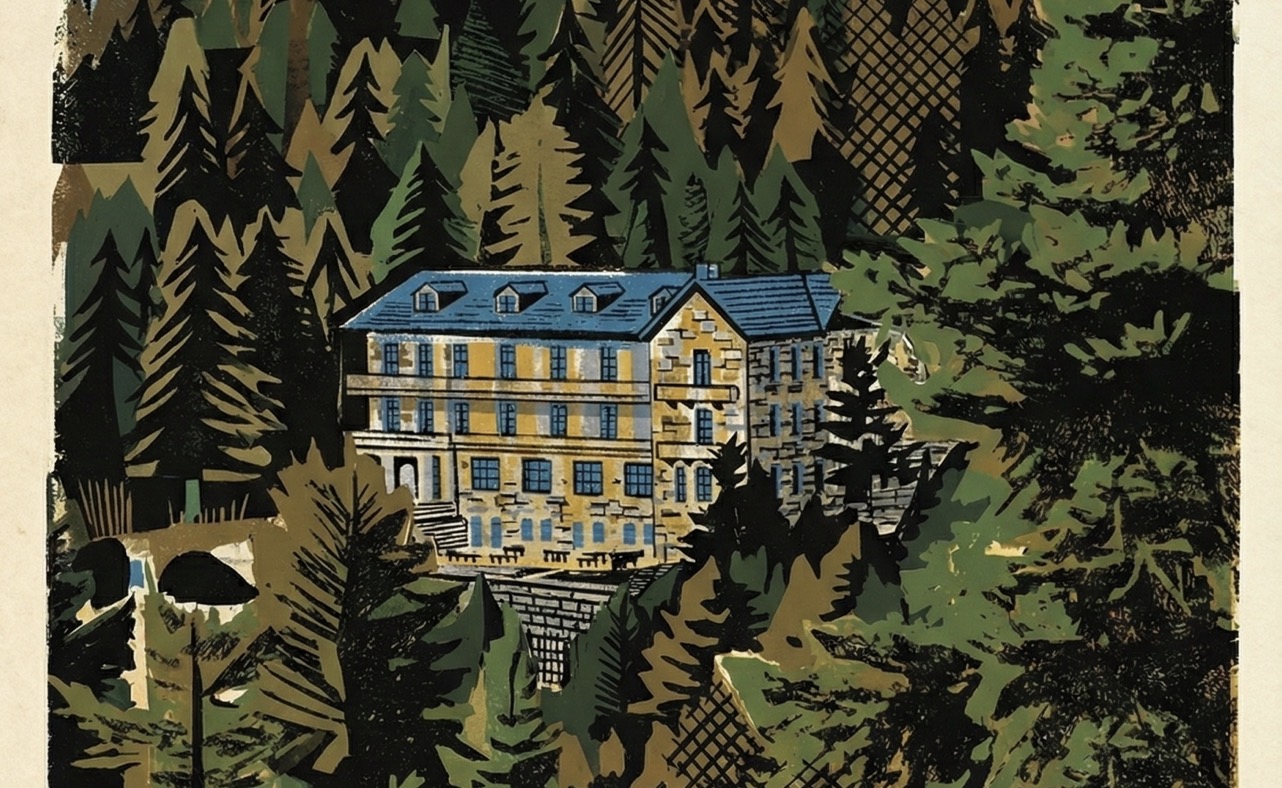
The Greeks have a word for hospital ruins: ereipio. For eighty years, that’s what stood at 1,200 meters on Mount Mainalon, a hollow shell of a building that once promised to cure tuberculosis patients with nothing but altitude and clean air.
Anna Mela-Papadopoulou built it in 1929. Sister of a Greek military hero, she’d spent a decade nursing soldiers through the Balkan Wars and the Asia Minor catastrophe. When TB started killing veterans and refugees by the thousands, she raised money from Greek expats in America and Egypt, 3.5 million drachmas from the diaspora alone and commissioned Swiss architects to design what would become the largest sanatorium in the Balkans.
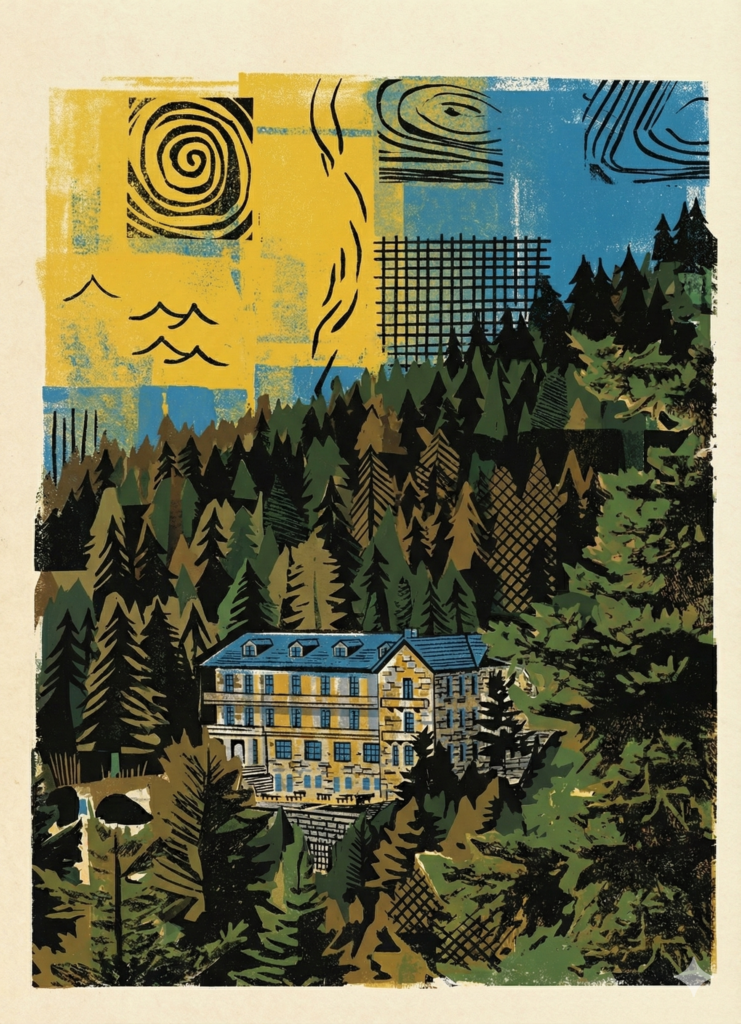
It worked for nine years. Then penicillin arrived, antibiotics replaced mountain air as treatment, and the whole enterprise became obsolete. Mela died of tuberculosis herself in 1938, the same year her sanatorium closed. During World War II and the civil war that followed, locals stripped the building for parts. The wooden roof went to a hospital in Tripoli. Stone window frames became houses in nearby villages. The forest crept back in.
That’s where Stratis Batagias found it as a ten-year-old, camping near the ruins outside his family’s summer village. The place stayed with him. In 2014, he bought it. Eight years later, after working with K-Studio and Monogon Office of Architecture, Manna opened as a 32-room hotel that treats the ruin like a palimpsest you can still read what was there before.
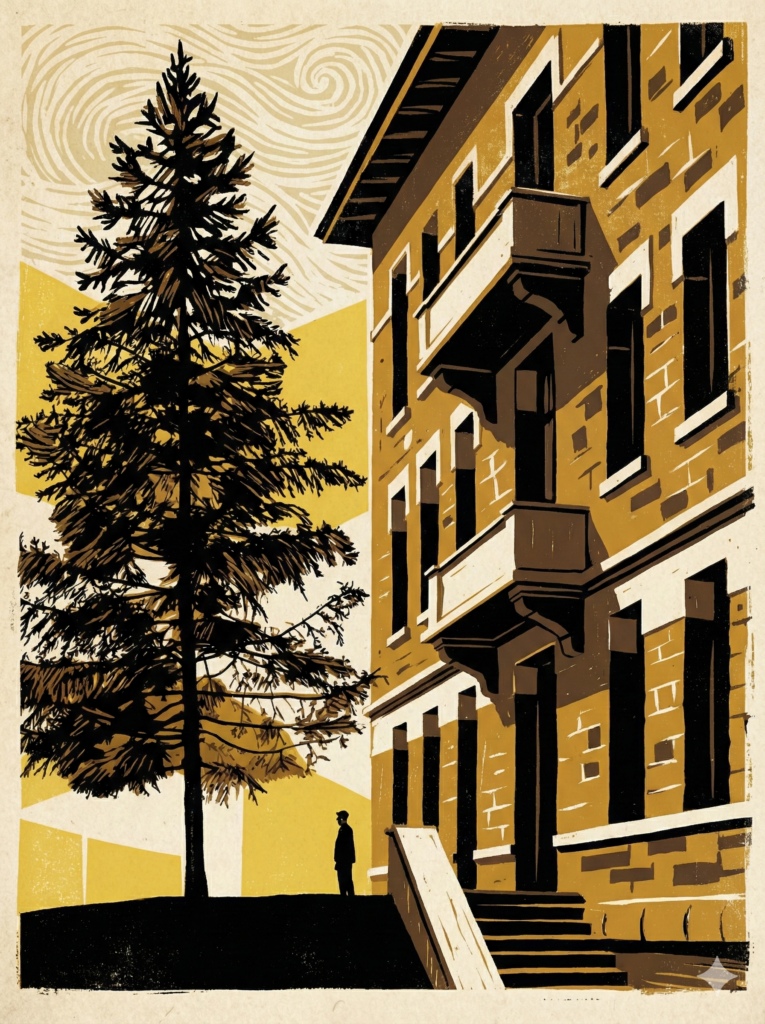
The architects kept the century-old limestone walls with their original mortar joints and weathering intact. Where window frames were stolen, they didn’t fake replacements in stone. They used terrazzo and concrete instead, making it clear what’s 1929 and what’s 2023. The new chestnut wood ceilings and copper fixtures age visibly, just like the building did. Nothing here pretends time didn’t pass.
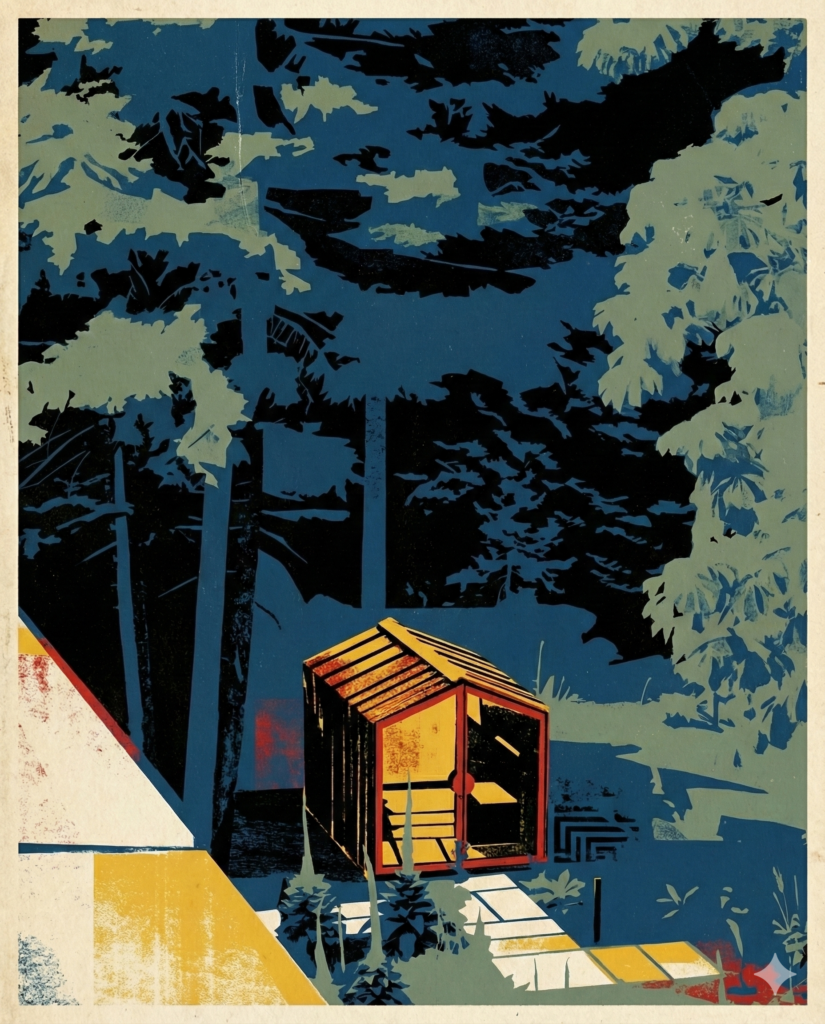
The location matters. Mount Mainalon isn’t some random mountain it’s the heart of Arcadia, the landscape that gave Western civilization its vision of pastoral paradise. Virgil wrote about it. Poussin painted shepherds finding a tomb here with the inscription Et in Arcadia ego: “Even in Arcadia, I exist” death speaking. Manna sits in a Natura 2000-protected forest of Greek fir (Abies cephalonica), trees that have stood since the Ice Age, producing the region’s famous “Vanilla of Mainalon” honey, the only PDO honey in Greece. It comes from tree sap, not flowers, and tastes like burnt caramel and resin.
Chef Athinagoras Kostakos runs the kitchen with a forest-to-fork approach that’s more literal than the usual farm-to-table rhetoric. Wild mushrooms from local foragers. Chestnuts from ancient trees. Graviera cheese from sheep that graze on wild oregano and mountain tea. The bar, designed like an old pharmacy to echo the sanatorium’s medical past, serves cocktails with sage and Sideritis, sweetened with fir honey.
The wellness center occupies a carved-out lower level a sunken pool lit by skylights, designed to feel like a cave cistern. Eleftheria Deko, who did the lighting for the Acropolis, handled the illumination here. The spa treatments use local botanicals and reference the Lousios River, where myth says Zeus took his first bath as an infant. The whole operation aims for what owner Batagias calls “the luxury of silence.” No loud music. No televisions. The library stocks Kazantzakis and botanical field guides.
Manna works as a base for the Menalon Trail, the first path in Greece certified by the European Ramblers’ Association. The route cuts through Lousios Gorge, past Byzantine monasteries carved into cliffs and stone villages where the Greek Revolution was planned. Golden jackals howl at night in the forest. Short-toed eagles hunt the clearings. The endemic Peloponnese wall lizard sunbathes on the ruins of ancient shepherd huts.
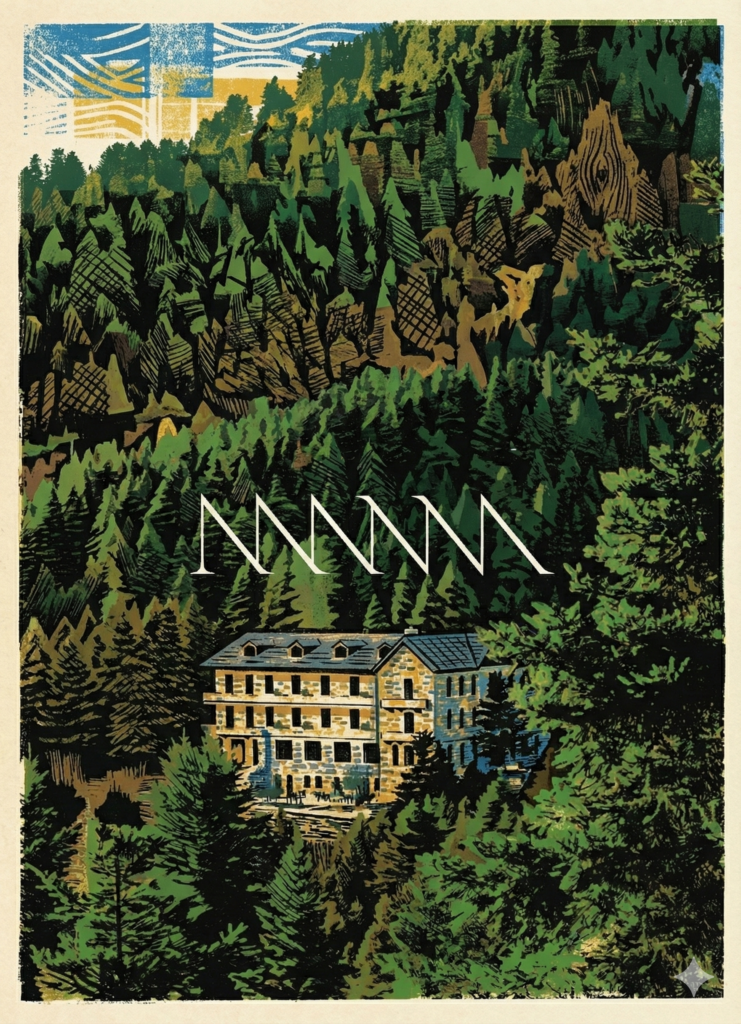
Anna Mela built this place to heal soldiers with damaged lungs. Now it treats digital burnout with the same prescription she used: altitude, clean air, and time away from everything else. The irony is that she was right about the cure, just wrong about the disease.
Leave a Reply