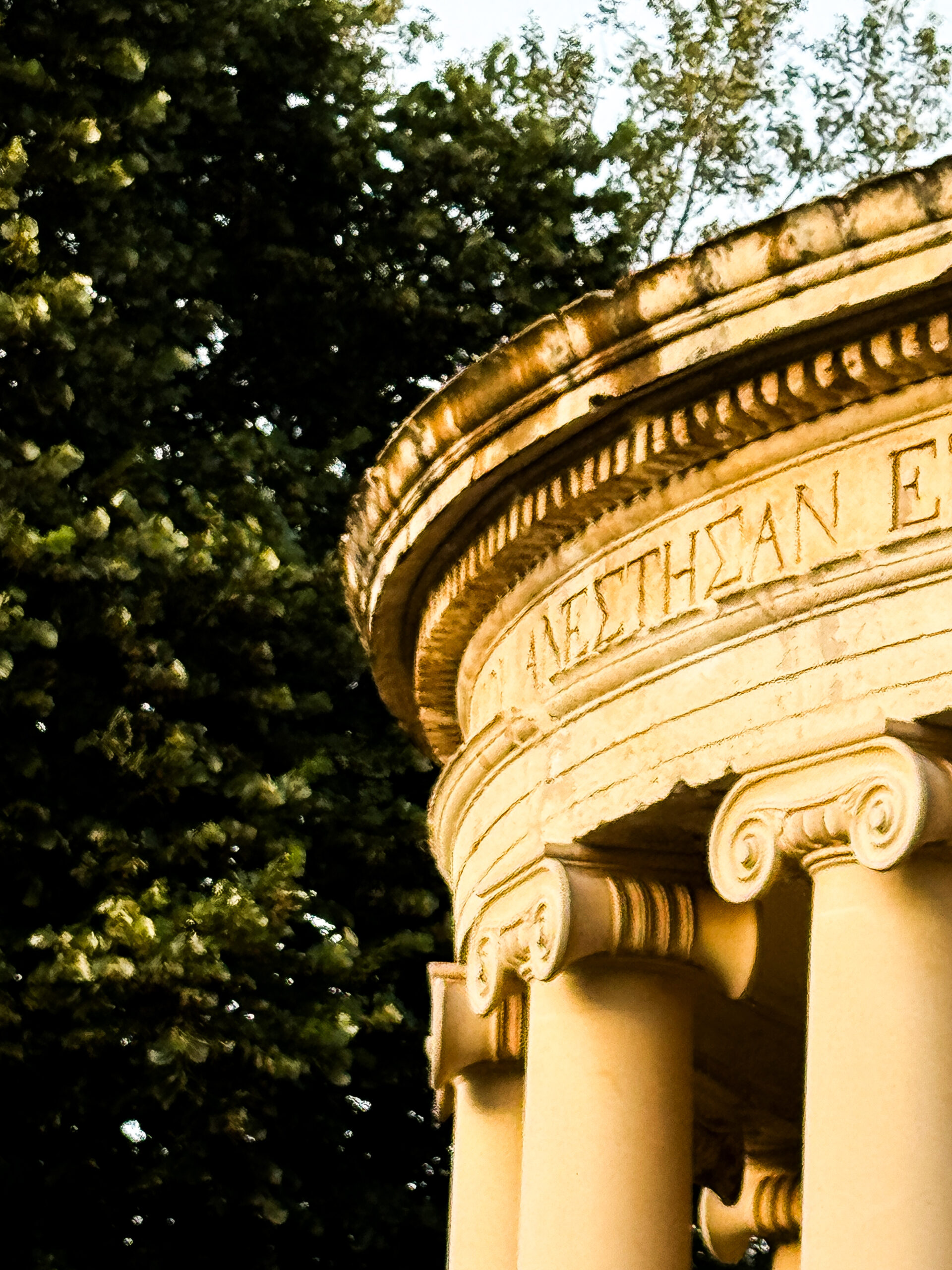
In the sapphire embrace of the Ionian Sea, where ancient trade winds once carried merchants and conquerors across the Mediterranean, stands one of Europe’s most remarkable urban tapestries. Corfu’s Old Town is not merely a destination—it is a living manuscript written in stone, where every cobblestone street and weathered facade tells the story of civilizations that have shaped this jewel of the Greek islands.
Recognized as a UNESCO World Heritage Site, this extraordinary settlement represents something rare in our modern world: a place where the architectural DNA of multiple empires has fused into a harmonious whole. Here, Venetian grandeur meets French elegance, while British colonial formality mingles with timeless Greek spirit, creating an urban symphony that has played for centuries.
The Venetian Heart
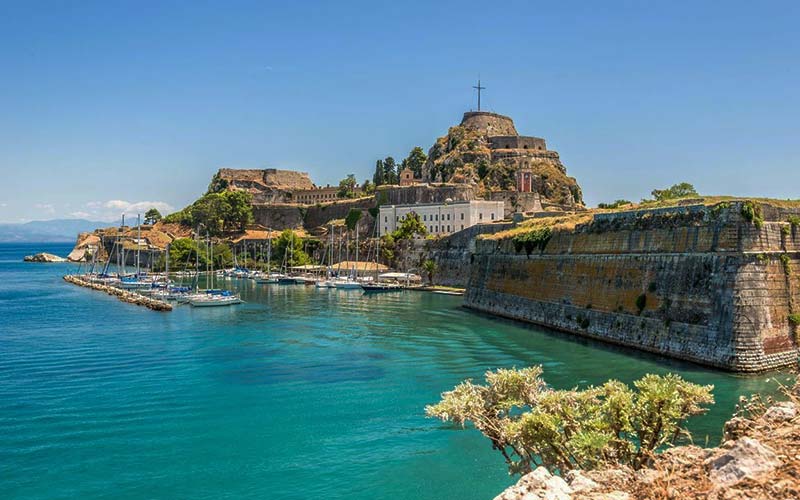
The Republic of Venice left its most indelible mark on Corfu during four centuries of rule, transforming this strategic outpost into a Mediterranean Gibraltar. Two imposing fortresses—the Old Fort (Palaio Frourio) and the New Fort (Neo Frourio)—still guard the town like ancient sentinels, their massive walls and bastions speaking to an era when Venice’s maritime empire stretched from the lagoons of Italy to the furthest reaches of the Eastern Mediterranean.
But it is in the intimate spaces between these monuments where Venice’s true legacy lives. The kantounia—narrow, cobblestone alleys that wind through the heart of the old town—create a labyrinthine world of shadows and sudden sunlight. Multi-story buildings lean inward as if sharing centuries-old secrets, their shuttered windows and wrought-iron balconies creating the kind of atmospheric streetscapes that transport visitors to another age entirely.
At the center of this Venetian inheritance lies the Spianada, the largest square in the Balkans. Once a military parade ground where Venetian soldiers drilled beneath the Mediterranean sun, it has evolved into the town’s beating social heart. Here, locals gather for their evening volta (stroll), visitors pause to absorb the grandeur of their surroundings, and the timeless ritual of Mediterranean café culture unfolds beneath ancient plane trees.
Perhaps nowhere is the cultural fusion more evident than in the sporting life of the square, where cricket—a distinctly British import—is played on grounds that once echoed with Venetian commands. It’s this kind of delightful anachronism that makes Corfu’s Old Town so captivating: a place where history hasn’t been preserved in amber but continues to evolve and surprise.
French Elegance and British Formality
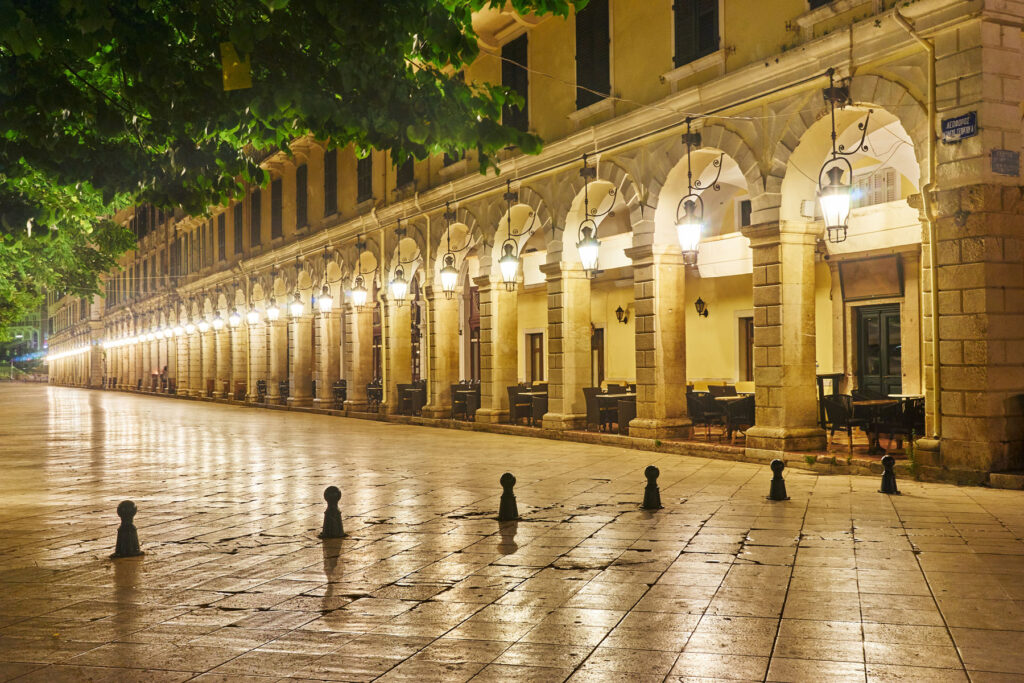
The French occupation, though brief, left an architectural jewel that rivals anything in Paris. The Liston, an elegant colonnade of arched galleries inspired by the rue de Rivoli, transforms an entire side of the Spianada into a vision of Gallic sophistication. Beneath its graceful arcades, café tables spill onto the pavement in a scene that could have been lifted from a Parisian boulevard, complete with the gentle clink of coffee cups and the animated conversations that are the soundtrack of Mediterranean life.
The British, during their protectorate period in the 19th century, contributed their own architectural statement in the imposing neoclassical Palace of Saints Michael and George. This stately building, with its columns and pediments that speak to imperial confidence, now houses the Museum of Asian Art—an unexpected cultural treasure that adds yet another layer to the town’s cosmopolitan character.
The British influence extends beyond architecture into the very rhythm of daily life. The Corfiots’ passion for cricket, afternoon tea traditions, and certain linguistic borrowings create fascinating cultural crosscurrents that remind visitors of the island’s unique position as a bridge between East and West, North and South.
A Symphony of Arts and Traditions
Corfu’s cultural richness transcends its built environment. This is a town that breathes music—literally. The island boasts one of Greece’s oldest and most distinguished philharmonic traditions, with multiple bands that trace their origins back centuries. During Easter celebrations, the narrow streets fill with the soaring melodies of brass instruments, creating an acoustic experience that transforms the ancient stones into a concert hall.
The artistic pulse of the old town beats strongest in its small galleries, workshops, and ateliers tucked away in converted medieval spaces. Local artisans continue traditions passed down through generations while also embracing contemporary expressions, creating a living artistic ecosystem that ensures the town remains culturally vibrant rather than merely a beautiful museum piece.
Where Time Converges
To walk through Corfu’s Old Town is to experience what historians call “the deep present”—that rare sensation where multiple historical periods exist simultaneously in a single space. A morning coffee beneath French arcades, an afternoon exploration of Venetian fortifications, an evening concert in a British-built palace: this is travel that engages not just the senses but the imagination.
The town’s designation as a UNESCO World Heritage Site recognizes not just its architectural significance but its role as a testament to cultural synthesis. In an era of increasing homogenization, Corfu’s Old Town stands as proof that different civilizations can not only coexist but create something more beautiful together than any could achieve alone.
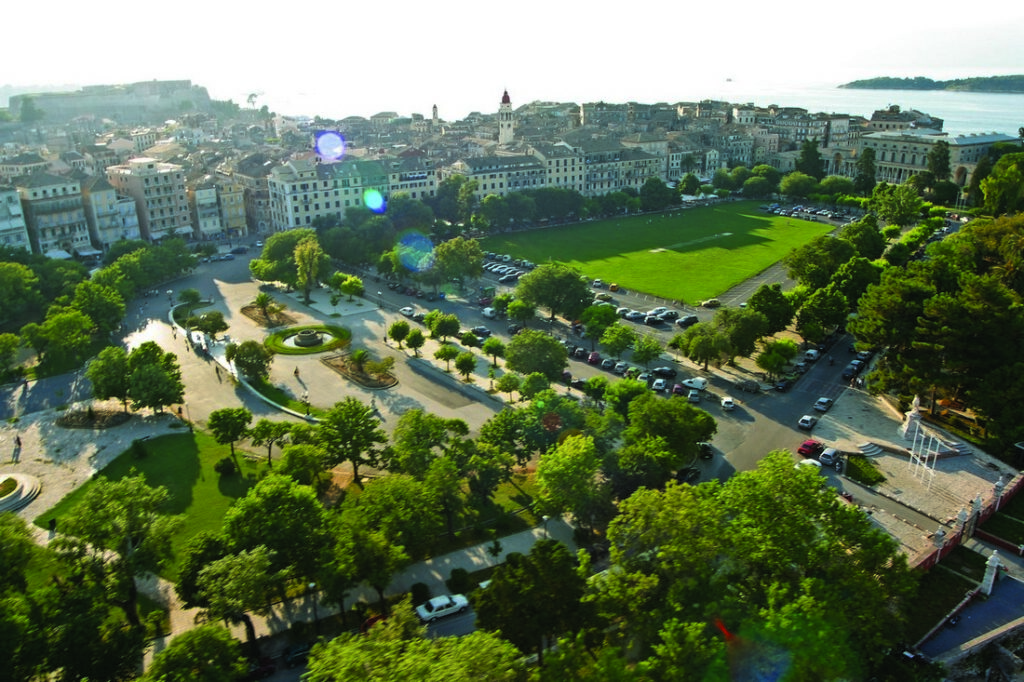
Here, in these stone passages where Byzantine emperors once walked, where Venetian merchants conducted their trade, where French administrators drafted their plans, and where British governors held their receptions, the past is not a foreign country but a living neighbor. Every dawn brings new light to ancient facades, every evening sees the same shadows that have fallen for centuries, and every season adds another thin layer to the palimpsest of human experience that is Corfu’s Old Town.
For the contemporary traveler, this is more than a destination—it’s a masterclass in how cultures can blend without losing their distinctiveness, how the old can nurture the new, and how a place can honor its past while embracing its future. In Corfu’s Old Town, every stone has a story, and every story adds another thread to one of Europe’s most beautiful cultural tapestries.
Leave a Reply